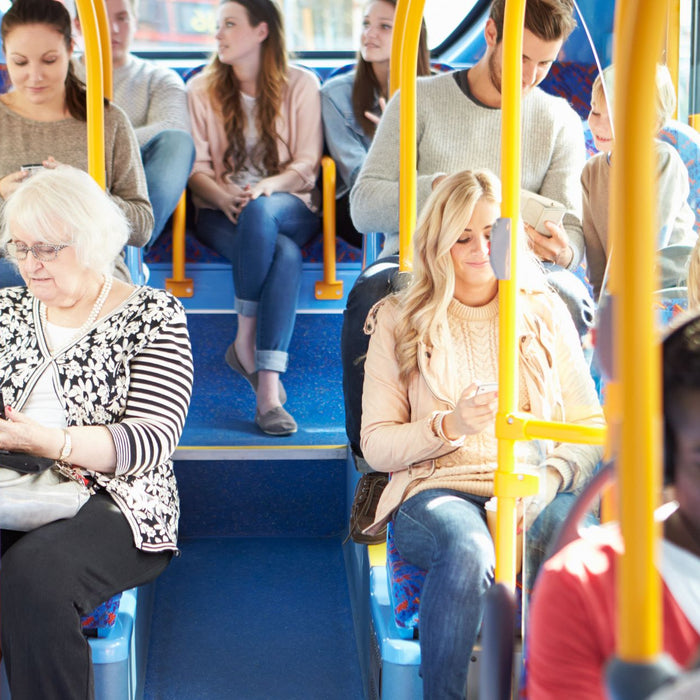
In this post, we will cover some broad ways we can apply the teaching of travel training to meet the individual needs of your student and your constraints as a teacher.
In this post, we will take a closer look at what travel training is and the role it might play in a classroom or as a preparation tool for Autistic adults.
In this post, we are rounding out our series with few ways we can teach self-regulation. As with many internal processes, self-regulation covers a wide variety of needs and situations from sensory input to personal conflict to high emotion moments.
In this post, we are covering a topic that is on many professional’s minds when they look into self-regulation options and one we have already touched on briefly in this series: challenging or harmful behavior.
In this post, we are taking a closer look at some examples of self-regulation in the classroom as well as spaces and practices you may want to incorporate.
In this post, we are starting our self-regulation series by looking at the concept of self-regulation itself, because our idea of what self-regulation looks like can be shaped by our goals and desired outcomes for students learning to practice it.